
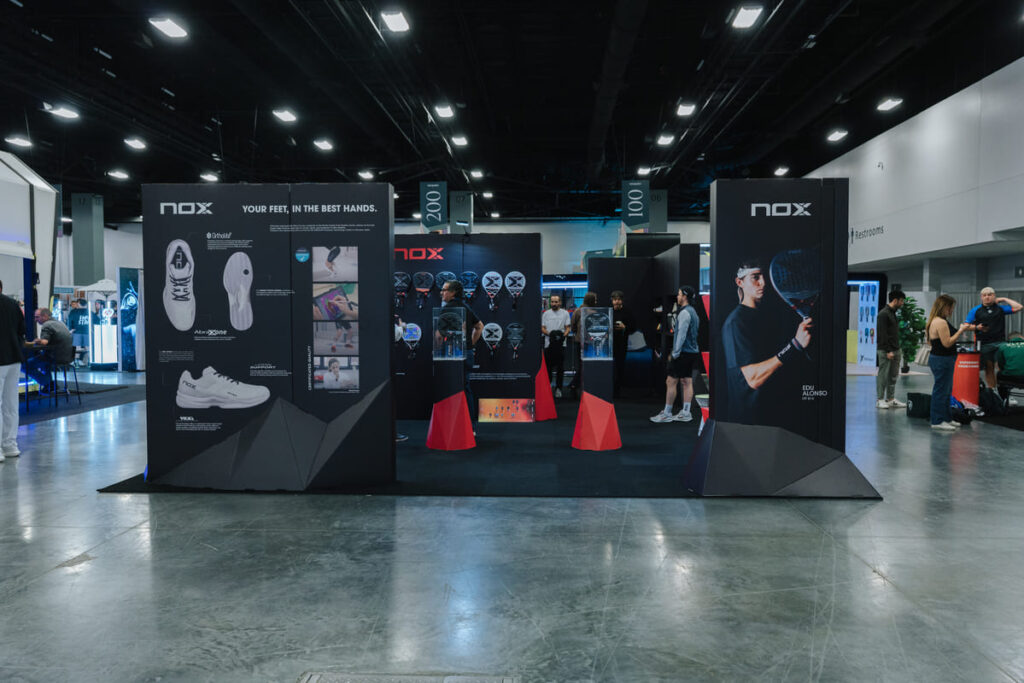
In the U.S., padel is moving from curiosity to category. For clubs and academies, equipment decisions can either accelerate adoption or quietly create friction. The right padel racket assortment helps new players learn faster, keeps lessons running smoothly, and supports premium programming that members return for.
The best equipment strategy is not about selling more. It’s about removing barriers to repeat play and improving the coaching experience.
1) Why Racket Strategy Matters for Clubs
For padel programs, a racket is not just equipment. It’s a learning tool, a safety variable, and a retention driver. When clubs treat rackets like an experience asset, onboarding improves and coaches spend less time troubleshooting.
2) Build a Club-Ready Racket Assortment
The goal is not to carry everything. It’s to carry what supports your programs. Most clubs succeed with a small, intentional mix that covers onboarding, coaching progression, and advanced play.
- Tier 1 (Onboarding): forgiving, easier to control, comfortable for new players and rental fleets.
- Tier 2 (Development): balanced models that support coaching programs and repeated weekly play.
- Tier 3 (Performance): advanced options for top players, leagues, and premium experiences.
If you want a starting point for building that mix, a curated selection of padel rackets can help clubs align equipment with lessons, demos, and programming goals.
3) Shapes, Balance, and the Coaching Impact
Coaches often feel equipment differences before members can describe them. Shape and balance influence control, power, fatigue, and how quickly new players develop confidence.
Program tip: For rentals and intro series, standardize the feel. For coaching progression, introduce variety gradually so players can “sense the upgrade” without losing control.
4) Materials and Cores: What to Standardize
For clubs, materials should be evaluated through durability, consistent feel across a fleet, and the coaching experience. A small number of “approved” specs often outperforms a mixed wall of options.
- Fiberglass: softer feel, often better for onboarding and rentals.
- Carbon: firmer, responsive; strong for coaching progression and performance.
- Softer cores: comfort and forgiveness for new players and high-volume clinics.
- Firmer cores: stability and precision for advanced coaching and competitive play.
Standardize the rental fleet first. Then build upgrades that coaches can recommend with confidence.
5) Operational Checklist for Managers
- Program alignment: Decide what rackets support rentals, lessons, clinics, leagues, and events.
- Coach playbook: Define 2 to 3 recommended “next rackets” coaches can suggest by stage.
- Demo system: Create a simple checkout process and track what members test most.
- Fleet maintenance: Inspect grips, edge guards, and face wear on a fixed cadence.
- Merchandising: Present equipment as part of the padel journey, not a wall of options.
Staff note: If your front desk cannot explain the difference between your onboarding and development options in one sentence, your assortment is too complex.
Why RacquetX Matters for Equipment Decisions
Equipment strategy is changing quickly in the U.S. market. Brands are refining lines for onboarding, coaching progression, and premium experiences. For club leaders and coaches, seeing product innovation in-person makes it easier to compare technologies, evaluate quality, and build partnerships that support growth.
Explore past sessions and industry insights
Want more context on how clubs, brands, and leaders are approaching padel growth and innovation? Browse recordings from prior RacquetX sessions.
Explore the Industry at RacquetX
Discover how padel equipment, coaching models, and club strategies are evolving alongside pickleball, tennis, and more. RacquetX brings the industry together across disciplines.
Explore RacquetX