
In recent years, racquet sports have quietly evolved from recreational pastimes into serious investment opportunities. Across the United States, courts are being built inside repurposed malls, mixed-use developments, private clubs, and residential communities.
From pickleball and padel to squash and badminton, investors are paying attention to sports that combine participation, community, and repeat engagement.
Pickleball: The First Wave
In 2023, the United States saw a surge in large-scale pickleball developments. Empty shopping centers, office parks, and underutilized real estate were transformed into multi-court facilities designed for volume participation.
Emerging brands with national or regional footprints include:
- Pickleball America
- PURE Pickleball
- Chicken and Pickle
- A growing number of regional operators
The pickleball market alone is estimated to reach $2.8B by 2028, driven largely by accessibility and mass participation.
Padel: The Premium Growth Curve
Hot on pickleball’s heels is padel, a racquet sport that has already scaled across Europe and Latin America and is now entering a critical growth phase in the U.S.
Forecasts suggest more than 85,000 padel courts will be built globally by 2026, with the market expected to reach a valuation of $500M by 2031.
For a broader market view, read The Explosive Growth of Padel in the U.S and connect the dots across club, investor, and brand strategies.
Badminton and squash are also experiencing renewed momentum. While often perceived as niche sports, both have shown strong participation density and loyal player bases.
Curious what’s driving the trendline in the U.S.? Here’s a closer look at squash popularity and the factors behind its staying power.
Players are not only joining clubs. They are building courts at home, choosing residential developments with racquet amenities, and seeking destinations centered around active lifestyles.
Along with that demand comes capital. Investment dollars are flowing into facilities, technology, equipment, and programming across the racquet sports ecosystem.
Before allocating capital, it helps to understand the common reasons clubs fail so investors can underwrite operational risk, not just market momentum.
Beyond Courts: Where Investors Are Looking
- Technology platforms such as booking software, analytics, and wearables
- Destination travel experiences built around racquet sports
- Professional and amateur tournaments with growing sponsorship demand
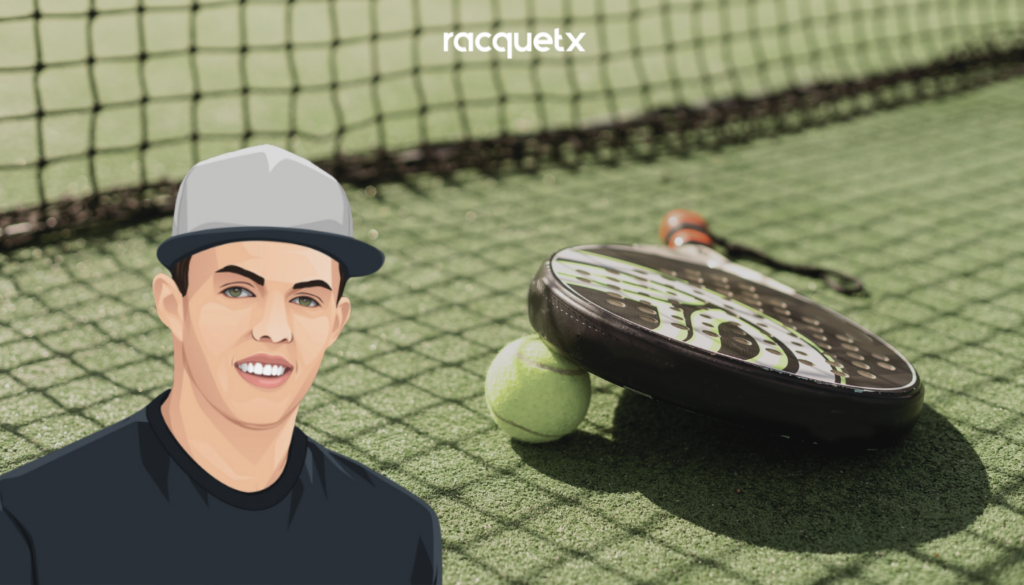
We recently spoke with Andrew Petcash, Founder GP at Profluence Capital, one of the investors sharing insights at RacquetX.
Why are racquet sports becoming such a popular investment?
“Racquet sports appeal across age groups, promote community, and support multiple revenue streams. Equipment, facilities, coaching, and media exposure all contribute to a durable investment profile.”
What advice do you have for new investors?
“Start with research, diversify within the category, focus on community, and maintain a long-term outlook.”
Which sport should investors start with?
“That depends on strategy. Some succeed by specializing deeply in padel, others by spreading exposure across racquet sports.”
Join the Conversation at RacquetX
Hear directly from investors, club operators, and industry leaders shaping the future of racquet sports.
Register Here